You get three bids for what looks like the same kitchen. One is far lower than the others. It's tempting. But the gap between bids almost always comes down to one thing: details.
Materials are the first difference
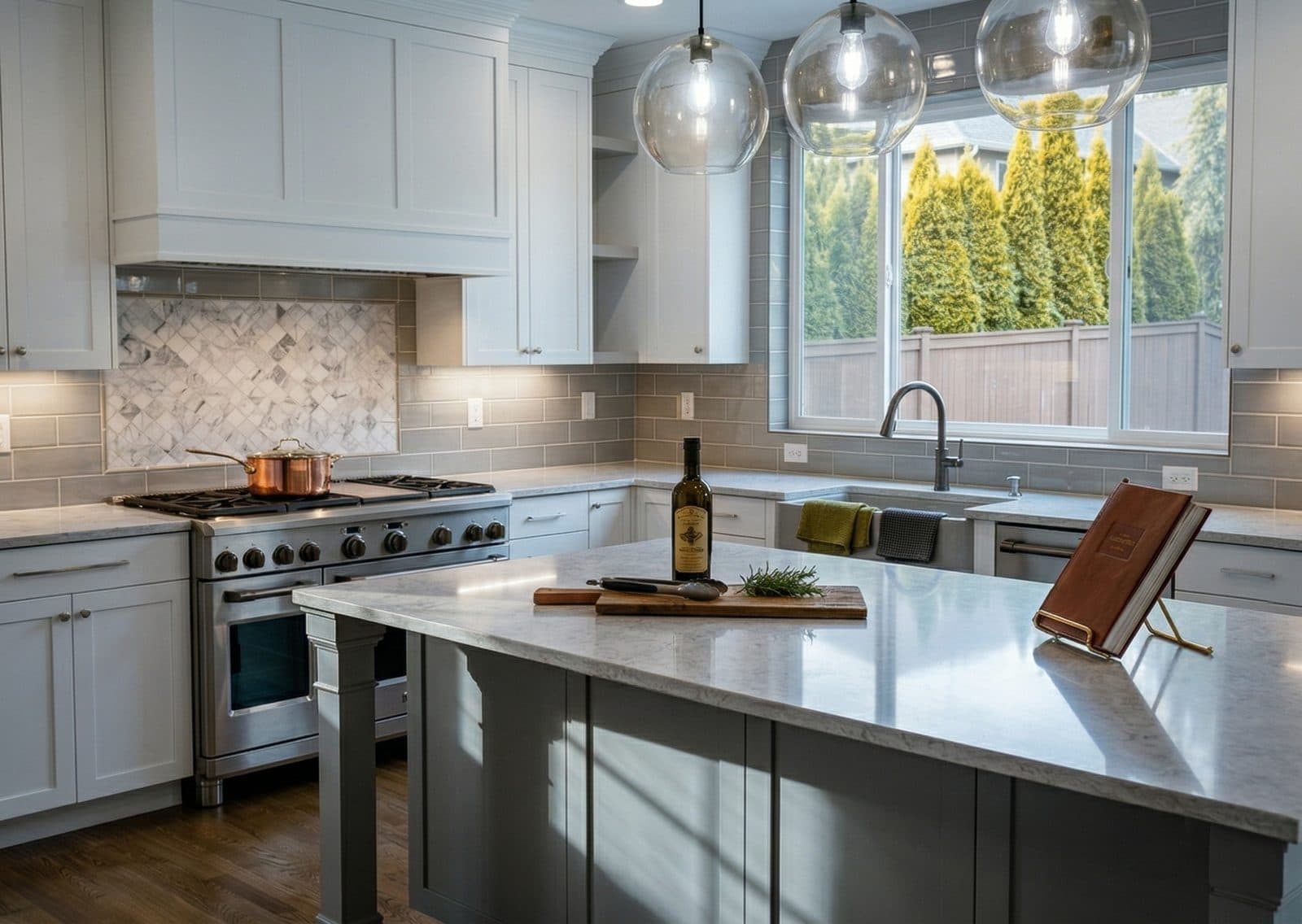
Most of the time, the difference is in what's being selected or included. A low bid often assumes builder-grade stock cabinets and low-quality hardware. The higher bid prices the cabinets, hardware and finishes you actually expect in your home.
Installation is the second
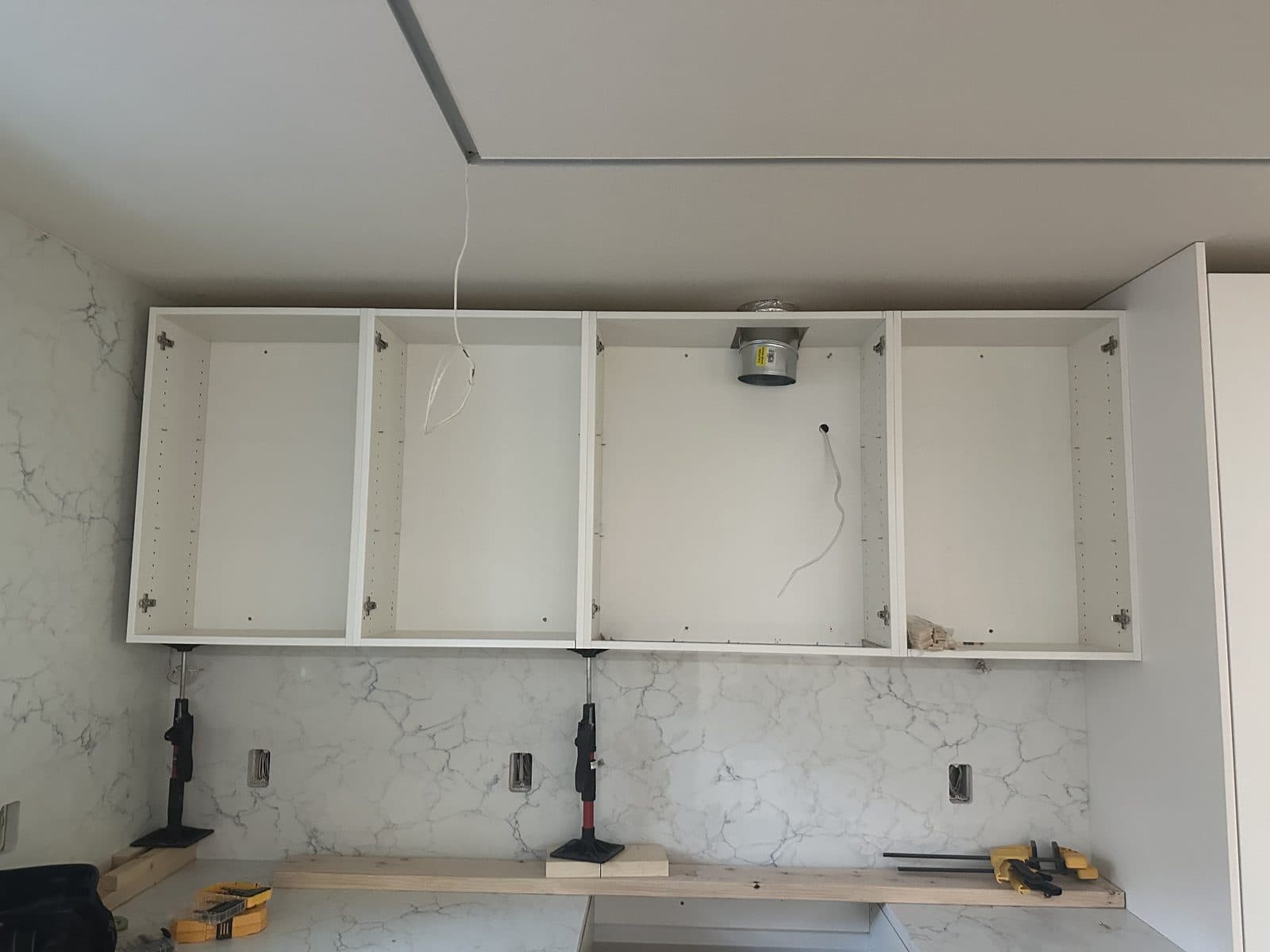
Cheap bids are usually built on fast, careless installation. You don't see it on day one. You see it a year later: sagging cabinet doors, hardware that loosens and wears out.
A kitchen is never just cabinets
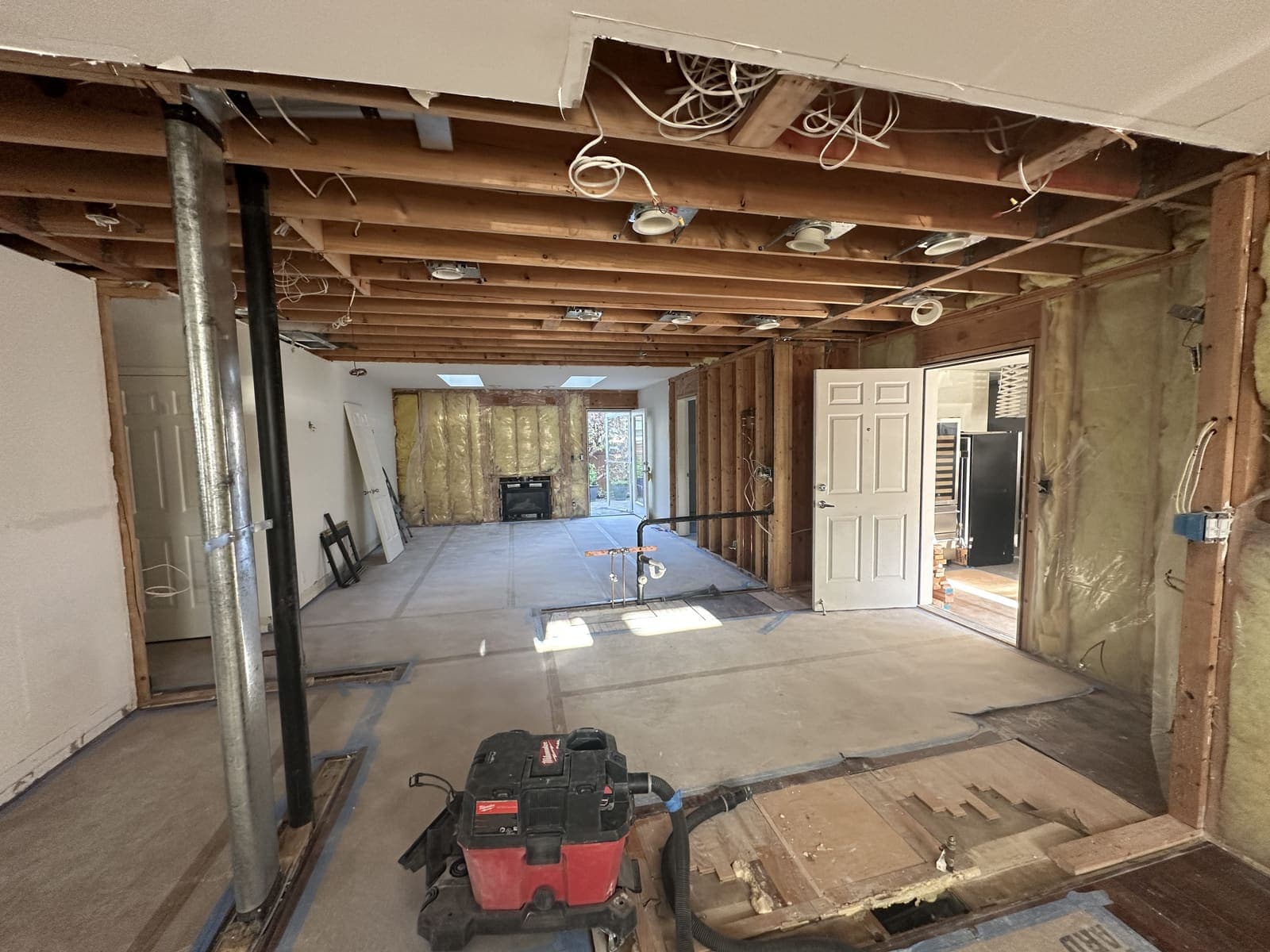
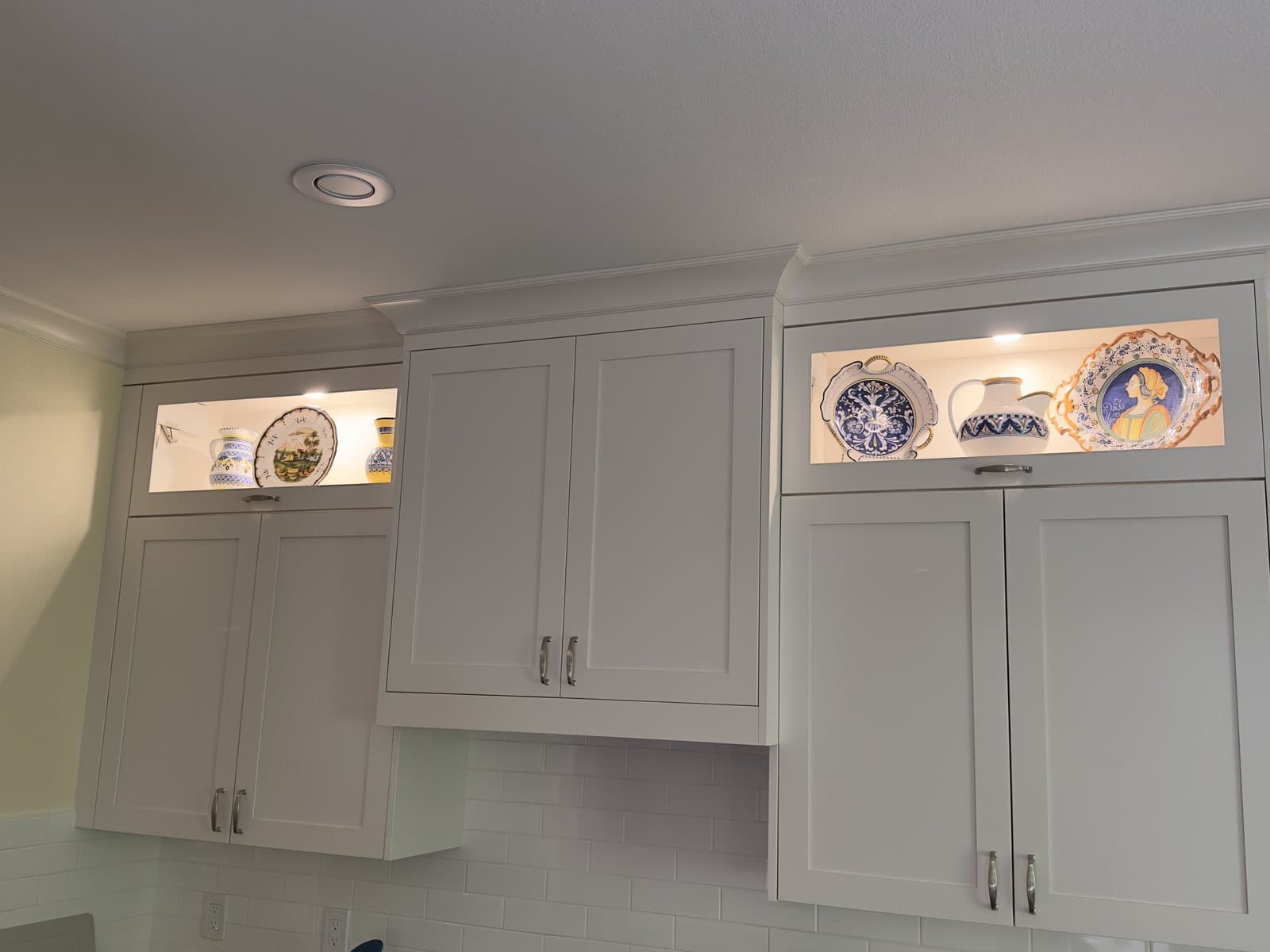
A kitchen remodel almost always involves more than boxes on a wall. If the layout changes, plumbing and electrical have to be relocated. Floors often need to be redone or replaced. Walls need repainting. Under-cabinet lights and additional electrical get added, plus a bunch of small things.
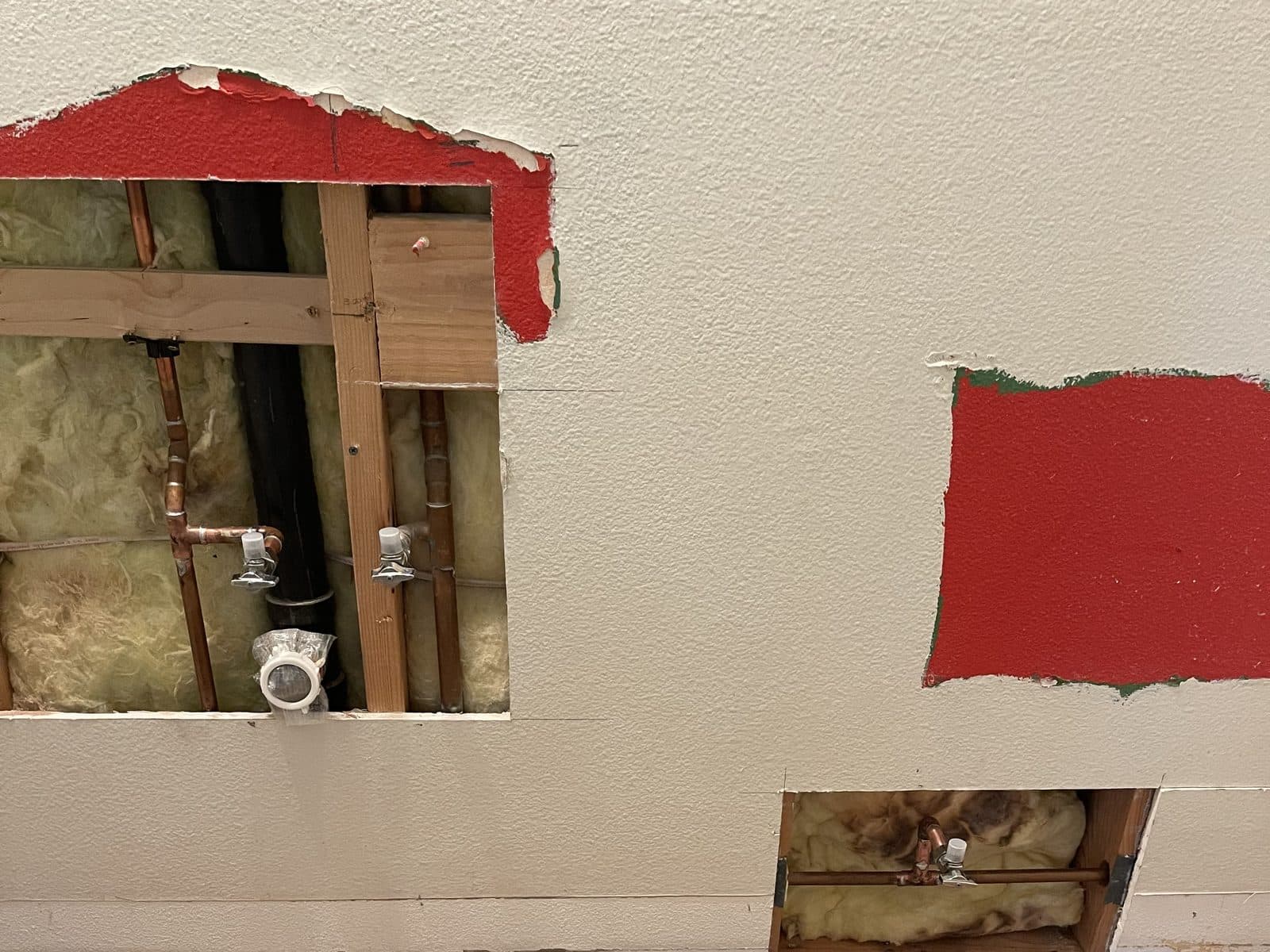
If a contractor shows you a cabinet layout and says "we'll rip out your old ones and put new ones in," that's not a complete project. Everything left out will come back later as a change order.
How to compare bids the right way
Do your homework. Go to showrooms. Look at the samples: the exact cabinets, hardware and products selected for your kitchen. Then make sure the bid includes that same product, not something that just sounds similar.
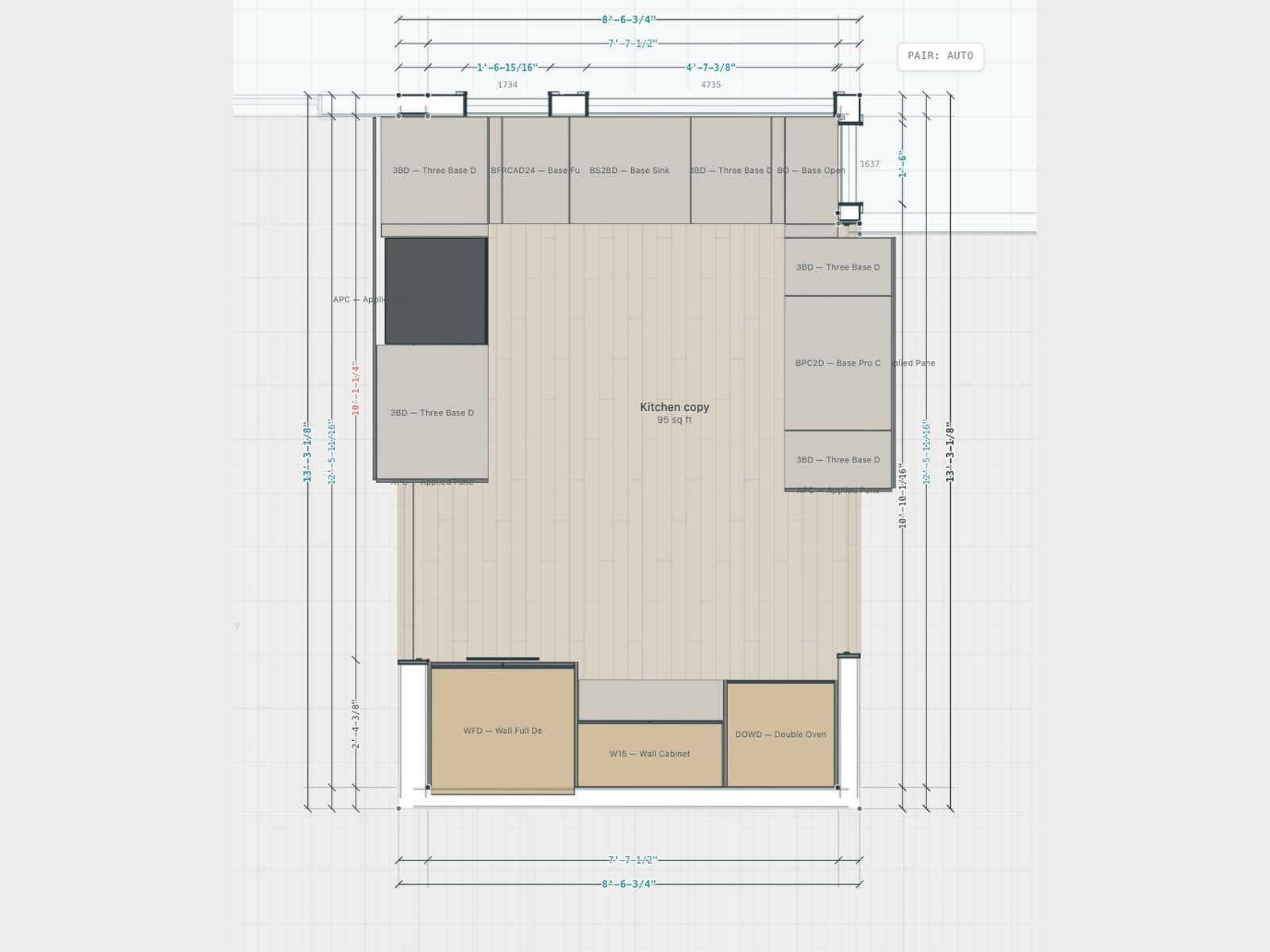
Look for a complete scope. A builder you can trust shows you a detailed scope of work and detailed drawings: the cabinet layout, appliances, accessories, everything involved in the kitchen. If it's not on paper, it's not in the price.
About allowances
Allowances are normal at the right stage. During early, concept-level pricing, we use allowances: a set budget for items like cabinetry before the exact product is chosen. Once the client accepts the allowances and signs the construction agreement, we work through the exact cabinet quote and replace the allowance with a final price for the real product.
The thing to watch for is a bid that stays vague all the way to signing. A real price is tied to real products.
The bottom line
The lowest number isn't the cheapest project. Compare what's actually included (the materials, the installation and the full scope) and the right bid usually becomes obvious.
— Alex Zrazhevskiy, East Ridge Construction, Redmond, WA
Keep reading: Why Remodels Go Over Budget, and What to Settle Before You Sign and 5 Kitchen Remodel Mistakes to Avoid.
Ready to Discuss Your Project?
Get a free consultation and estimate from our team. We serve the Greater Seattle area including Redmond, Bellevue, Kirkland, and Sammamish.